
📉 1) A Market Normalizing… Yet Contracting in the Short Term
Industry reports indicate an expected 1.1% contraction in the freight forwarding market in 2025, following a rebound in 2024. Growth is projected to remain modest through 2029, with significant regional disparities.
Despite these headwinds, small freight forwarders maintain strong positioning thanks to:
- agility,
- deep local expertise,
- fast decision cycles,
- and close‑knit customer relationships.
These strengths become even more valuable as pricing pressure intensifies.
🔧 2) Digitalization: A Strategic Imperative, Not an Option
The industry is undergoing an accelerated digital transformation: real‑time visibility platforms, automated documentation, integrated API flows, smart cost control, and workflow standardization.
Analysts warn that companies that fail to invest in digitalization risk losing competitiveness quickly.
At the same time, 91% of forwarders report increasing margin pressure, making operational optimization—powered by TMS solutions and automation—essential for profitability.
For small forwarders, this means:
- Standardizing core processes (quotations, bookings, BL creation, invoicing).
- Offering enterprise‑grade visibility through customer portals and automated alerts.
- Reducing manual work through automation and integrations.
- Measuring profitability at shipment, lane, and customer levels.
⚠️ 3) Rising External Risks: Capacity Imbalance, Climate Events & Geopolitics
Smaller forwarders are particularly exposed to disruptions such as:
- maritime overcapacity combined with unstable demand,
- geopolitical tensions reshaping trade lanes,
- climate events affecting logistics nodes (Panama Canal drought, Rhine interruptions, Yangtze disruptions).
These factors drive up costs, destabilize planning, and reinforce the need for:
- advanced visibility tools,
- scenario‑based routing,
- and better exception management workflows.
💬 4) Human Expertise + Technology: The Winning Combination
Small forwarders excel in:
- personalized service,
- proactive communication,
- agility,
- and tailored solutions.
However, expectations have shifted. Shippers now demand:
- real‑time tracking,
- faster response times,
- transparency,
- and predictive insights.
Technology therefore becomes an amplifier of the human value proposition—not a replacement.
🌱 5) Sustainability: A Regulatory Obligation and a Competitive Advantage
Sustainability has become a selection criterion in tenders. Forwarders capable of providing:
- reliable CO₂e reporting,
- emissions analytics,
- greener routing options,
gain a clear competitive edge.
For small forwarders, a TMS with integrated sustainability modules simplifies compliance and strengthens commercial positioning.
🧭 6) A 90‑Day Action Plan for Small Freight Forwarders
Phase 1: Stabilize (Days 0–30)
- Standardize the full lifecycle (quote → booking → docs → invoicing) through a TMS.
- Implement unified tracking for air, sea, and road shipments.
- Deploy a customer portal with alerts, milestones, and document access.
Phase 2: Optimize (Days 30–60)
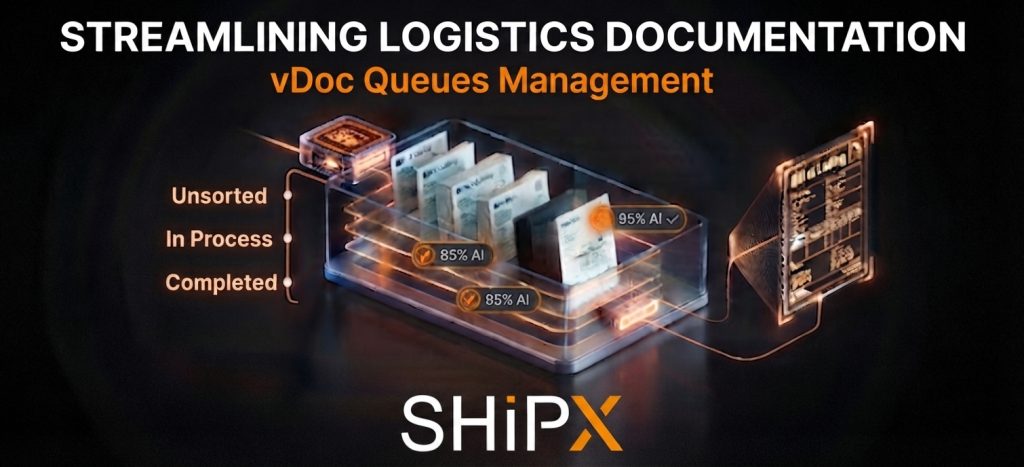
- Automate document generation and verification.
- Integrate key carriers (EDI/API).
- Start monitoring margins by customer, lane, and service type.
Phase 3: Differentiate (Days 60–90)
- Introduce SLAs (timelines, escalation paths, visibility commitments).
- Launch automated CO₂ dashboards and monthly compliance reports.
- Add value‑added services (pre‑clearance alerts, proactive exception handling, risk monitoring).