Let’s be real: the transitaire business has taken a serious hit lately. We’ve swung from the post-Covid euphoria—where we were miracle workers finding space at any price—to a brutal reality check. Today, in 2026, the honeymoon is over. Freight rates are a rollercoaster, clients are more demanding than ever, and on top of it all, we’re expected to save the planet with every single quote.
The Reality on the Ground: A Constant Balancing Act
The daily life of a modern transitaire is a high-wire act. On one side, we have digital tools promising us the world; on the other, we’re still grinding through congested ports and a driver shortage that’s making us sweat.
The real challenge today is data. If you can’t tell your client in three clicks exactly where their container is and what its “carbon weight” looks like, you’re already out of the game. We aren’t just booking agents anymore; we’ve become logistics firefighters. We manage the exceptions, the unexpected, and the tiny grains of sand that threaten to grind global trade to a halt.
Decarbonization: Moving Beyond “Greenwashing”
Let’s cut to the chase: for a long time, green logistics was just a pretty line at the bottom of a PowerPoint. In 2026, it’s the nerve center of commercial warfare.
- Reporting or the Exit: With new transparency standards, our clients (the shippers) are under a microscope for their Scope 3 emissions. Translation: they’re breathing down our necks for hard numbers. A transitaire who can’t calculate the impact of a sea route versus a rail combo won’t win another RFP.
- Modal Shift is Happening Now: We don’t pitch rail or barge “for the environment” anymore; we pitch it for resilience. Fewer trucks on the road means less stress, fewer bottlenecks, and, most importantly, fewer carbon taxes at the end of the month.
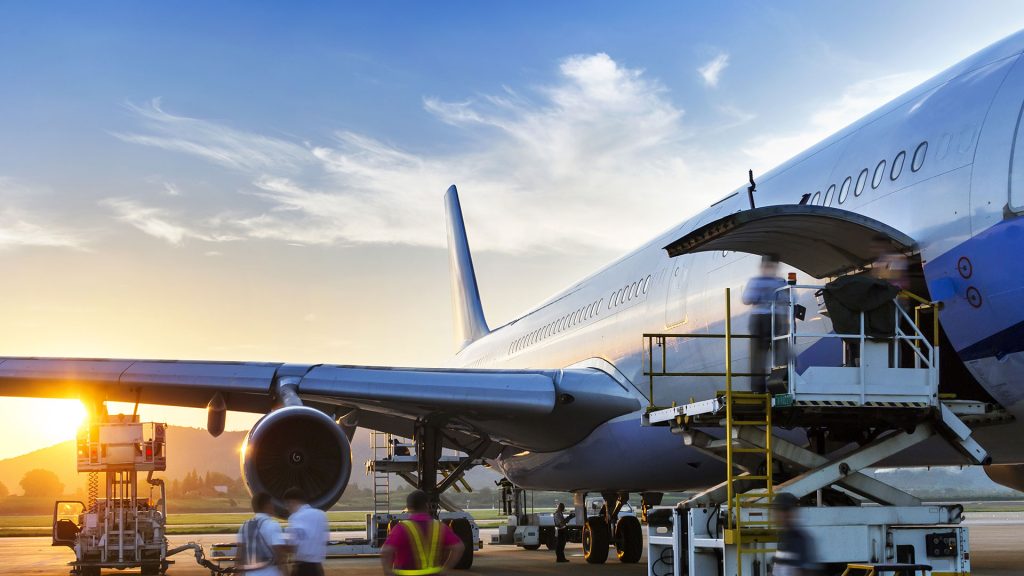
- Tomorrow’s Fuels: We’re finally seeing concrete action. Methanol, Bio-LNG, SAFs for air freight… It’s expensive, sure, but our role is to advise the client: “Look, it’s 15% more costly, but your carbon footprint drops by 80%.” That is where the new value-add lives.
The North American Challenge: More Than Just a Border
In our neck of the woods, logistics is a game of massive distances. When we talk about decarbonizing a route between Montreal, Chicago, and Vancouver, we’re not playing in the same league as Europe.
- Rail as Our Backbone: With recent rail mega-mergers now linking Canada, the U.S., and Mexico, the transitaire has become an intermodal conductor. The strategy? Move as much freight as possible off the road for long hauls to slash carbon impact while navigating border logjams.
- Electrification and the Quebec Advantage: In Quebec, we have a major ace up our sleeve with hydroelectricity. Tomorrow’s transitaire is the one integrating electric truck fleets for urban deliveries. It’s not just about branding anymore; it’s about pure energy efficiency.
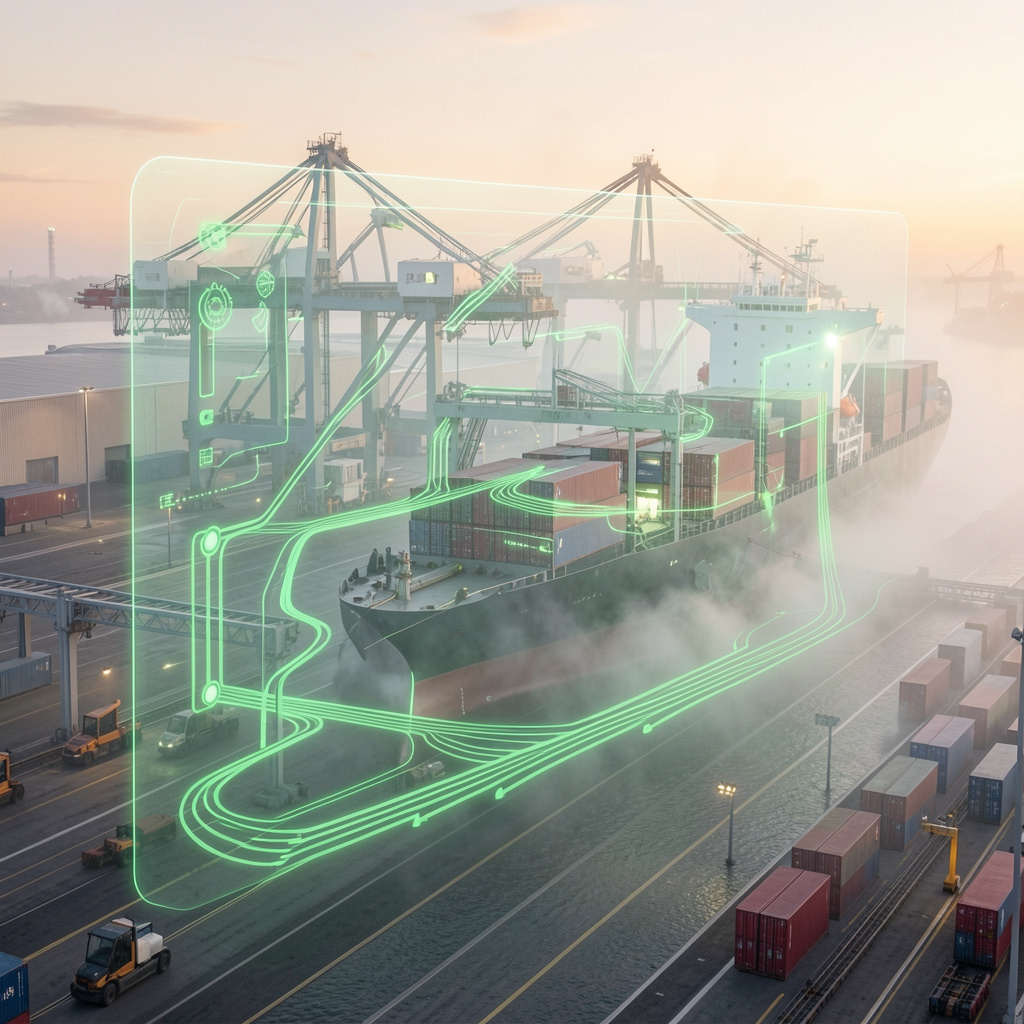
- Coastal Resilience: Between storms and labor disputes, the chain is fragile. Diversifying gateways—Prince Rupert, Halifax, Montreal—isn’t an option; it’s an insurance policy.
Horizon 2030: The Flow Architect
Looking ahead, the job is going to pivot again. By 2030, AI will have likely swallowed up the mountain of paperwork that currently eats 60% of our time (finally!).
We won’t be there to fill out forms or chase down Bills of Lading. Our job will be anticipation. We’ll become strategists: knowing when to reroute cargo before a storm even hits, or choosing the best energy mix for a global supply chain.
This is exactly why we are building NEO-FFW. Our platform doesn’t just automate the paperwork; it transforms your raw data into strategic decision-making tools for your clients.
So, are we jumping on board or watching the train go by?
The truth is, the days of being a simple data entry clerk are over. Tomorrow’s transitaire is someone who isn’t afraid to dive into the data and challenge the old, polluting status quo.
This is a solid business opportunity for those with the guts to pivot. We’re no longer just selling transport; we’re selling peace of mind and environmental credibility. The turn is sharp, but that’s exactly where the best will pull away from the pack.
The question isn’t if the supply chain will change, but whether you’ll be the one leading the parade or the one chasing after the container.
What will be your next move for 2030?